
01
Can
Reserved and deeply emotional, searching for a form of love that does not reduce a person to the body.
Why can loving another person become a taboo in the eyes of society?
Can and Samet work in the same locksmith shop in Ankara, yet they inhabit almost opposite emotional worlds. When Ayla enters Can's life at a crowded minibus stop, an ordinary encounter grows into a story about love, the body, morality and social prejudice.
TABU places Can's longing for genuine closeness against Samet's cynical language of conquest, exposing the distance between intimacy, desire and the rules imposed by society.
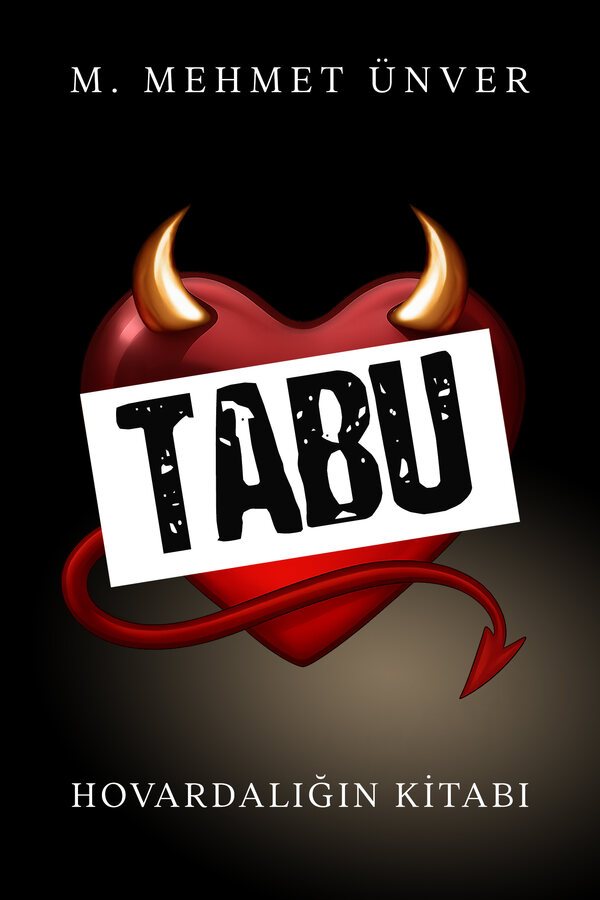
In his foreword, the author says he wanted to gather the courage to expose one of the taboos embedded in everyday life and to show how deeply people can become prisoners of such unwritten rules.
“A person forced to live with a taboo like a curse that cannot be cast off can never be truly independent under its rule.”
The story opens during Ramadan at Ulus Square in Ankara. A borrowed lighter brings Ayla and Can into conversation at a crowded minibus stop. From that small coincidence, a fragile closeness begins to form.
Can is shy and searches for emotional connection. His friend Samet treats relationships as conquest, pleasure and proof of masculine success. Their contrast drives the novel's examination of love, sexuality, morality and social hypocrisy.
When Ayla notices that Can walks with a limp, the novel exposes how quickly physical difference can be transformed by other people's gaze into exclusion, shame and a question of human worth.
Reserved and deeply emotional, searching for a form of love that does not reduce a person to the body.
A young woman caught between her own growing connection to Can and the expectations surrounding her.
Can's friend and opposite: confident, cynical and convinced that relationships are measured by conquest and success.
TABU is currently a Turkish-language novel. For the English website, the existing Turkish original cover is intentionally used to introduce and advertise the work. A complete English literary translation has not yet been published, so this page contains no translated chapters, no English PDF and no audio reading.